



What is Rustic Furniture


Rustic furniture is one of those special types of décor that delivers a beautiful experience beyond just aesthetic. If you walk into a room with rustic furniture, you feel a surge of nostalgic comfort and hominess before you know it. Something about the warm wood tones, the natural textures, and the coziness of the environment settles you into the space immediately. Whether it’s a coffee table that looks like it has character, or a dining table that feels like it’s designed for family dinners for generations to come, rustic design isn’t exactly polished or perfect but that’s exactly the point. It invites you to slow down, get comfortable, and truly feel at home.

Rustic furniture has become one of the most enduring styles in modern homes, not because it follows trends, but because it stands the test of time. It’s grounded, endearing, and built around natural beauty. Whether you’re designing a full rustic home or just adding a few character-rich pieces, understanding what defines this style is the first step to bringing it into your home.


Defining Rustic Furniture: What Is It?


At its core, rustic furniture is about embracing the natural world, both in materials and in spirit. It draws inspiration from rural living, where furniture was traditionally crafted from locally sourced wood and built to last for decades on end. Think back to early farmhouses, cabins, and lodges, where practicality mattered just as much as appearance. There was a distinct look that defined the “home” and it was characterized by elements of comfort and coziness.

Rustic style originated from necessity rather than purely from design theory like other décor styles. Pieces were handmade, often from solid wood like oak, pine, or reclaimed timber, and featured simple construction with minimal bells and whistles. Over time, what began as purely functional evolved into a distinct aesthetic, one that celebrates authenticity, craftsmanship, and the beauty of what many describe as “homey”.

Today’s rustic furniture stays true to those roots while adapting to modern living. You’ll still find solid materials and sturdy construction, but often paired with updated silhouettes, improved comfort, and thoughtful details that make the pieces feel current without losing their character.


Key Characteristics of Rustic Style


Natural Materials


Rustic furniture is defined by its use of real, organic materials. Solid wood is the signature component, often with visible knots, grains, and variations that make each piece unique. You may also see accents like metal, leather, or stone, but always in ways that complement the raw, natural feel. Rustic décor embraces distressed finishes and reclaimed materials, with unique statement pieces such as live-edge tables. These unique and irregularly shaped additions make the space feel less curated and more approachable.


Weathered Finishes

Instead of smooth, glossy surfaces, rustic pieces often feature worn-in or weathered finishes. This could mean a hand-scraped tabletop, a white-washed dresser, or a slightly imperfect edge that mimics years of use. The goal is to create a sense of history and heritage, even in newer pieces.


Sturdy, Substantial Construction


Rustic furniture tends to feel reassuring and durable. Tables are solid and weighty, bed frames are substantial, and seating is built for comfort and longevity. These are pieces designed to be lived with and used heavily rather than just looked at. This is how the space achieves its beloved and trustworthy feel.


Simple, Honest Design


Ornamentation is minimal in rustic style. Instead of intricate carvings or elaborate details, the focus is on clean lines and functional shapes. The beauty comes from the material itself, not added decoration. The feelings this design style evokes are a large part of the magic.


Warm, Earthy Colour Palette


Rustic interiors lean into colours found in nature such as deep browns, soft taupes, muted greens, and warm neutrals. These tones create a calming, inviting atmosphere that feels grounded and timeless.


Visible Craftsmanship


Joinery, wood grain, and construction details are often left visible rather than hidden. This transparency highlights the craftsmanship behind each piece and reinforces the authenticity of the design.


Rustic vs. Other Styles


Rustic vs. Farmhouse


While rustic and farmhouse styles do overlap, farmhouse tends to feel lighter and more curated. It often incorporates painted finishes, softer colour palettes, and a mix of vintage and new elements. Rustic, on the other hand, leans more heavily into raw textures, darker woods, and a more rugged, natural look.


Rustic vs. Industrial


Industrial style shares rustic’s appreciation for raw materials but skews more urban and edgy. It features exposed metal, concrete, and darker finishes, often with a warehouse-inspired feel complemented by bricks and a city-life charm. Rustic softens that look with wood-heavy elements and a more inviting, lived-in atmosphere inspired by the great outdoors.


Rustic vs. Boho

While rustic and boho styles both create warm, inviting spaces, they achieve the look in very different ways. Boho design is eclectic and expressive, often layering bold patterns, vibrant colours, mixed materials, and globally inspired decor for a collected, free-spirited feel. Rustic style, by contrast, is more muted and understated. It leans on natural materials, earthy tones, and simple, sturdy furniture to create a calm and inviting atmosphere. Where boho embraces variety and visual energy, rustic focuses on authenticity, texture, and the quiet beauty of Earth.


How to Decorate with Rustic Furniture


1.) Start with a Statement Piece

Begin with one strong rustic anchor such as a reclaimed wood dining table or a weathered bed frame. This sets the tone for the space and gives you a foundation to build around.

2.) Layer in Texture

Rustic design thrives on texture. Pair wood furniture with soft textiles like woven throws, linen cushions, or wool rugs. This contrast keeps the space from feeling too heavy and adds depth and dimension.

3.) Balance Old and New

To keep your space from feeling overly themed and curated, mix rustic pieces with more modern elements. A clean-lined sofa alongside a rustic coffee table, or contemporary lighting above a farmhouse-style dining table, creates a balanced and updated look while achieving the effect you want.

4.) Keep the Palette Cohesive

Stick to warm, neutral tones and layer in subtle variations. Too many competing colours can take away from the calming, grounded feel that rustic design is best known for.

5.) Add Natural Accents

Bring in elements like greenery, stone decor, or ceramic accessories. These small touches reinforce the connection to nature and enhance the overall aesthetic.

6.) Let Pieces Breathe

Rustic furniture often has a strong presence, so avoid overcrowding your space. Give key pieces room to stand out and be appreciated.


Shop Rustic Furniture at Ashley 


If you’re looking to bring rustic style into your home, Ashley offers a range of pieces that balance natural beauty with everyday functionality.


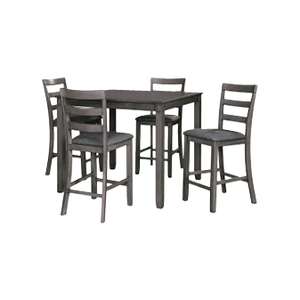
A solid wood dining table, such as the Roanhowe, can instantly become the heart of your home, offering both durability and timeless appeal. Look for options with rich finishes and visible grain for that authentic rustic feel.

Creating that wonderful dinner table that the family can gather around brings the sentiment behind rustic furniture home. Ultimately, the home is a place of comfort that invites all in the most welcoming of ways.


Shop Roanhowe


For the living room, a rustic coffee table or TV stand adds warmth and character while anchoring the space. Pair it with comfortable seating in neutral tones to create a cozy, inviting setup.

A solid statement, such as the Johnelle Coffee Table, sets the tone for that coziness and comfort that we all know and love. With the right piece, you can rework your current space to reflect a rustic vibe without a total restructuring of the space. Eye-catching pieces such as this can go a long way to accomplishing that rustic feel without breaking the bank.


Shop Johnelle


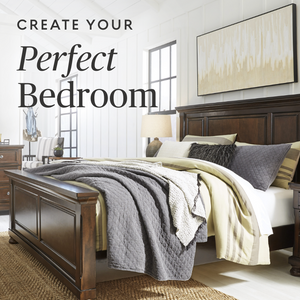
In the bedroom, a rustic bed frame or dresser introduces texture and depth without overwhelming the room. Choose pieces with subtle distressing or natural wood finishes to keep the look relaxed and cohesive.

Something about dozing off in a cozy atmosphere makes you feel like you are right where you belong: at home! Bedrooms that are overly minimalistic can often have the opposite effect, but rustic style nevers fails to make you feel like you're right where you ought to be.


Shop Porter

A cozy bedroom with a wooden bed, nightstands, and artwork on the wall.

FAQs


Is Rustic the Same as Country?

Not exactly. While they share similarities, country style is often more decorative and lighter in tone, whereas rustic leans into raw materials and a more rugged, natural look.


Can Rustic Furniture Work in a Modern Home?

Yes, and it often looks even better when paired with modern elements. Mixing rustic textures with clean lines creates contrast and keeps the space feeling fresh and warm.


What Materials are Most Common in Rustic Furniture?

Solid wood is the most common, often complemented by metal or leather accents. The emphasis is always on natural, durable materials.


Does Rustic Furniture Have to Look Old?

No. While it often features weathered finishes, many rustic pieces are new but designed to mimic the charm of aged materials.


How do I Keep Rustic Decor from Feeling Too Heavy?

Balance is key. Incorporate lighter textiles, neutral colours, and some modern pieces to create contrast and keep the space feeling open and inviting.