Entryway or Foyer: One of the most common places for a console table is the front entryway. It creates a designated landing zone for daily essentials such as keys, wallets, sunglasses, and incoming mail.
Behind the Sofa: When placed behind a sofa, a console table is often referred to as a sofa table. In open-concept living spaces, it helps define the seating area without adding visual bulk. The surface can be used for lamps, books, decorative accessories, or even charging stations. Some homeowners also use baskets beneath the table to store blankets and magazines.
Dining Room Storage Alternative: Not every dining room has space for a buffet or sideboard. A console table can provide a similar look with a smaller footprint. Use it to display serving pieces, store entertaining essentials, or create a dedicated beverage station during gatherings.
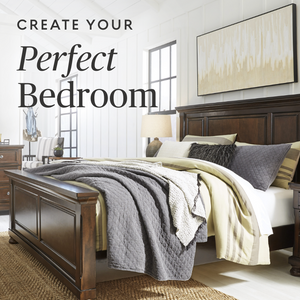
Bedroom Vanity or Display Surface: In a bedroom, a console table can function as a compact vanity, writing desk, or decorative display surface. Paired with a mirror and stool, it creates a practical getting-ready station while taking up less space than a full-sized dresser.
Home Office or Hallway Storage: Narrow hallways and home offices often benefit from furniture that offers function without obstructing traffic flow. A console table can hold a printer, office supplies, baskets, books, or décor while maintaining a clean, uncluttered appearance.