How to Style a Bed Like a Pro


How to Style a Bed Like a Pro


A bed is often the focal point of the bedroom. Even in a beautifully furnished space, an unmade or poorly layered bed can make the entire room feel unfinished. The good news is that creating a designer-inspired bed doesn't require a complete bedroom makeover. A few strategic layers, thoughtful textures, and the right accessories can completely transform the look and feel of your space.

Whether you're creating a hotel-inspired retreat, a cozy cottage bedroom, or a modern minimalist sanctuary, this guide will show you exactly how to style a bed like a pro.


Start with the Foundation


Every well-styled bed begins with the bed frame. It acts as the anchor for the entire room and influences every design choice that follows. The headboard is especially important as it is often the first component of the bed that catches the eye and instantaneously

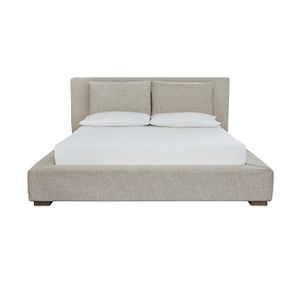
An upholstered bed with a tufted headboard creates a softer, more luxurious look. The plush texture naturally complements layered pillows, cozy throws, and richer fabrics, making it ideal for traditional, transitional, or hotel-inspired bedrooms.

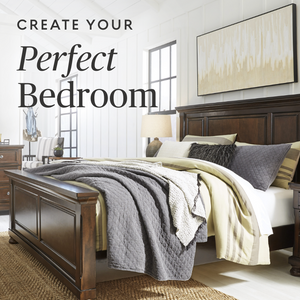
Wood panel beds create a more relaxed and versatile foundation. Their natural texture works beautifully with eclectic, farmhouse, rustic, and contemporary styling. Wood tones also add warmth and visual interest before any bedding is added.

Before selecting linens and accessories, choose a bed frame that reflects the overall aesthetic you're hoping to achieve. Browse Ashley's collection of headboards here.


How to Choose Your Bedding


Great bed styling starts with quality bedding. Think of each layer as contributing to both comfort and visual appeal.

Sheets: The Base Layer

Sheets create the foundation of your bed and can impact both sleep quality and appearance.

A key consideration is the thread count of the sheet set. Thread count refers to the number of threads woven into one square inch of fabric, and while a thread count between 200 and 400 is generally considered comfortable and durable, the material and weave of the sheets often have a greater impact on softness and breathability than thread count alone.

Cotton remains one of the most popular choices because it's breathable, durable, and easy to care for. Linen offers a more relaxed, lived-in look and develops additional softness over time. Microfibre is budget-friendly and easy to maintain.

Many people wonder whether they need a flat sheet when using a duvet. The answer largely comes down to personal preference. A flat sheet provides an extra layer between you and the duvet, which can help keep duvet covers cleaner. However, many modern sleepers skip the flat sheet entirely for a more streamlined setup.

Duvet vs. Comforter

While the terms are often used interchangeably, they serve slightly different purposes.

A duvet consists of an insert and a removable cover. It's easier to refresh seasonally because you can simply swap covers to change the room's look.

A comforter is a single piece with filling sewn inside. It's simple to use and requires less assembly but offers fewer styling options.

For a fuller, more luxurious appearance, size up whenever possible. Many designers use a king-size duvet on a queen bed to create additional drape and volume.

Choose a Simple Colour Palette

The most attractive beds typically rely on a limited colour palette.

A simple formula is:

  • One primary neutral
  • One secondary complementary tone
  • One accent colour

For example:

  • White + sage green + natural linen
  • Ivory + charcoal + light wood
  • Soft grey + cream + powder blue

Using neutrals as your foundation allows decorative pillows and throws to add personality without overwhelming the room.



How to Style a Bed with Pillows


Learning how to style a bed with pillows is often what separates a basic setup from a professionally styled bed. Pillows add dimension, softness, texture, and visual balance. The secret is layering rather than simply stacking.

The Pillow Layering Formula: For most beds, use this designer-approved arrangement:

Back Layer

  • Sleeping pillows inside decorative shams

Middle Layer

  • Euro shams

Front Layer

  • Decorative accent pillows

Final Layer

  • Lumbar pillow

This creates depth without making the bed look overcrowded.

How Many Pillows Do You Need?

The ideal number depends on bed size. The goal is balance, not excess. Avoid creating a "pillow mountain" that takes five minutes to dismantle every night.

Twin Bed

  • 2 to 4 pillows

Full Bed

  • 4 to 6 pillows

Queen Bed

  • 5 to 7 pillows

King Bed

  • 7 to 9 pillows

Mix Textures for Interest

Texture matters as much as colour.

A simple formula is: One patterned pillow, one solid-coloured pillow, one textured pillow

Combining materials such as linen, velvet, boucle, knit, or woven fabrics helps create a layered designer look without introducing too many colours.


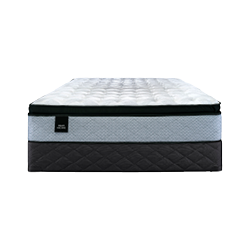
Mattress display featuring Nectar mattress branding and layered bedding.

How to Style a King Bed


Because of their size, king beds require additional layers and accessories to feel proportionate.

A typical king bed arrangement includes:

  • 2 king sleeping pillows
  • 2 additional standard or king shams
  • 3 Euro shams along the back
  • 1 long lumbar pillow at the front
  • A throw blanket draped across the foot of the bed

This configuration creates a balanced, luxurious appearance while filling the width of the bed.

When styling a king bed, make sure the bedding has enough volume. Oversized duvets and thicker comforters help prevent the bed from appearing flat.

A bench at the foot of the bed is another designer favourite. It visually grounds the large bed while providing a practical place to sit, store pillows, or lay out clothing.


The Throw Blanket


If there's one accessory that instantly makes a bed look more finished, it's a throw blanket. Throws introduce texture, colour, and warmth while softening the overall appearance of the room.

Three Easy Ways to Drape a Throw

1. Folded at the Foot

Fold the throw neatly across the bottom third of the bed. This creates a clean, tailored appearance that works especially well in modern and hotel-inspired bedrooms.

2. Draped Over One Corner

Casually place the throw across a single corner of the bed. This creates a relaxed, lived-in look that's perfect for contemporary spaces.

3. Layered Loosely

Allow the throw to gather naturally across the lower portion of the bed. This approach works beautifully in cottage, farmhouse, and cozy transitional bedrooms.

Chunky knit throws, lightweight woven blankets, and textured cotton blankets all add visual interest without overwhelming the bedding.

For throws and decorative accents, browse here


Finishing Touches


Once the bed itself is styled, the surrounding furnishings complete the overall design.

Nightstands and Lamps

Matching nightstands create symmetry and balance, particularly in primary bedrooms.

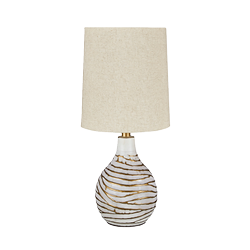
Add table lamps to each side to frame the bed visually and provide practical task lighting. The lamps should generally be proportionate to the headboard and large enough to feel substantial beside the bed.

Add a Bed Bench

A bench at the foot of the bed instantly elevates the room.

It serves several purposes:

  • Creates a finished designer look
  • Provides a convenient seating area
  • Offers a place for extra blankets and pillows
  • Helps visually anchor larger beds

Use a Rug to Define the Space

A properly sized rug helps connect the bed to the rest of the room.

As a general guideline, allow approximately 18 to 24 inches of rug to extend beyond each side of the bed. This creates a soft landing underfoot while making the room feel larger and more cohesive.

Explore Ashley's rug collection here.


Styling by Aesthetic


Not every bed should look the same. Your bedding should reflect your overall design style.

Hotel Luxe

Crisp white bedding is the hallmark of hotel-inspired design.

Layer white sheets, a fluffy duvet, Euro shams, and structured decorative pillows. Keep colours minimal and focus on clean lines, symmetry, and premium textures.

The result feels polished, fresh, and timeless.

Cozy Cottage

Cottage-inspired bedrooms focus on comfort and character.

Combine quilts, floral patterns, gingham accents, and layered throws. Mix textures freely and embrace a slightly imperfect, collected look.

The goal is warmth and charm rather than formality if done right.

Modern Minimalist

Minimalist styling relies on tasteful restraint.

Use a solid-colour duvet, a limited colour palette, two sleeping pillows, and a single lumbar pillow. Eliminate unnecessary layers and focus on quality materials and clean silhouettes.

This approach creates a calm, uncluttered atmosphere that promotes relaxation.


Shop Bedding at Ashley


Bedgear Rise Pillow

A supportive pillow option that works well as both a sleeping pillow and part of a layered bed styling arrangement. Its clean profile makes it easy to pair with decorative shams and accent pillows.

Decorative Accent Pillows

Ashley offers a wide variety of accent pillows in neutral, patterned, and textured designs. They're ideal for adding dimension and following the layered pillow formula outlined above.

Accent Throws

From chunky knit styles to lightweight woven designs, decorative throws help add texture and warmth while completing the finished look of the bed.

Wooden Headboards

A cozy wooden look creates a relaxing foundation for layered bedding and decorative pillows. The classic charm works especially well in farmhouse and traditional bedrooms.


FAQs


How do I keep my bed styled every day?

Take two minutes each morning to smooth the duvet, fluff the pillows, and reposition your throw blanket. Small daily adjustments keep the bed looking polished with minimal effort.


Do pillowcases need to match the duvet?

No. Coordinating colours and textures often create a more interesting and designer-inspired look than perfectly matching bedding. Choose complementary tones that fit your overall palette rather than exact matches.